Painting in Hazleton for surfaces showing wear, fading, and exposure damage
Paint that has chalked, peeled, or cracked no longer protects underlying surfaces from moisture and UV exposure, conditions that accelerate wood rot and material degradation.
Worth It Construction provides interior and exterior painting across Hazleton, restoring protective coatings and visual appearance through surface preparation that removes failed paint and contaminants before new coatings are applied. Preparation determines how long the finish lasts, because paint applied over loose material or dirt debonds quickly regardless of product quality.
Exterior painting involves scraping loose paint, sanding rough edges to create a smooth transition between old and new coatings, and priming bare wood or previously unpainted surfaces to seal the substrate and improve topcoat adhesion. Interior work focuses on patching imperfections, sanding repaired areas flush, and applying coatings in conditions that allow proper drying without dust contamination. Both processes require attention to detail that distinguishes professional work from rushed application.
Request a painting estimate that includes surface evaluation and preparation specifications.
What Proper Surface Preparation Accomplishes
Surface preparation removes contaminants and failing material that prevent new paint from bonding, and it creates a profile that allows coatings to adhere mechanically rather than simply sitting on top of the substrate. Exteriors exposed to weather accumulate chalk, mildew, and oxidation that must be cleaned before painting, while interiors require filling cracks and smoothing joint compound to prevent texture variations from showing through the finish. Skipping these steps results in coatings that fail prematurely because they never achieved proper adhesion.
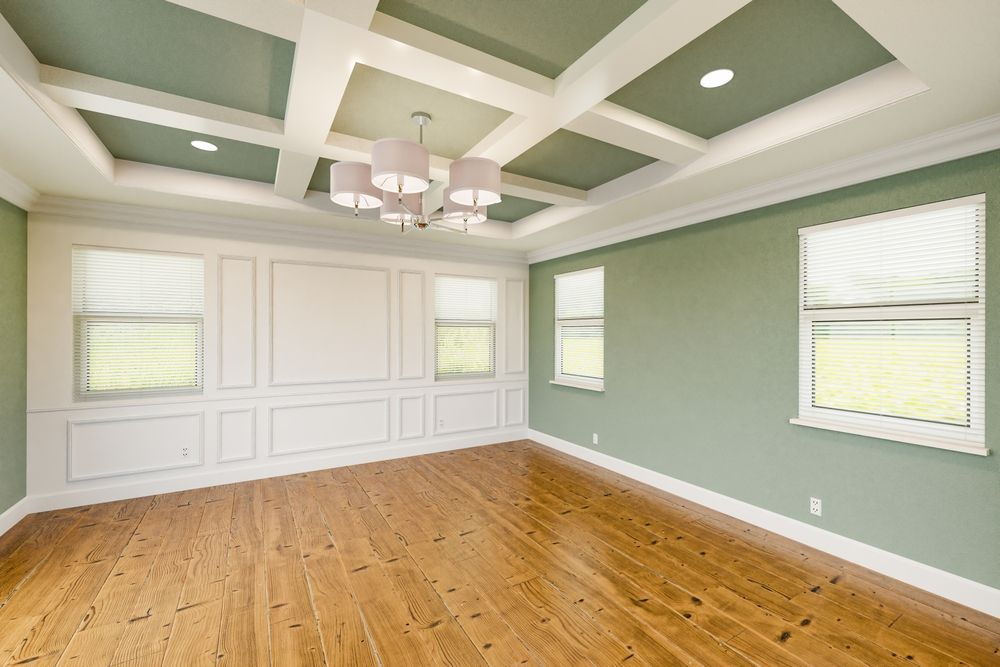
After painting is complete, surfaces appear uniform without visible brush marks, lap lines, or areas where coverage is inconsistent. Exterior coatings shed water rather than absorbing it, which prevents moisture from reaching the substrate and causing swelling or rot. Interior finishes resist scuffing and cleaning without losing sheen or showing wear patterns in high-traffic areas, indicators that the coating was applied at the correct thickness and allowed to cure properly.
Color selection affects more than appearance—lighter colors reflect heat and reduce surface temperatures on exteriors, while darker colors show imperfections more readily and require better surface preparation. Paint specifications should match the exposure conditions, with exterior products formulated for UV resistance and mildew inhibition, and interior products selected based on washability requirements for each room. Coordination with other remodeling work prevents overspray and damage to newly installed materials.
Homeowners often ask about timing, material choices, and what preparation work involves before painting begins.
Answers to Frequent Service Questions
What determines how long exterior paint lasts?
Surface preparation, product quality, and exposure conditions all affect longevity, with south and west-facing walls experiencing more UV exposure and typically requiring repainting sooner than shaded elevations.
How is surface preparation different for old paint versus new construction?
Old paint requires scraping and sanding to remove loose material and create edges that blend with remaining coatings, while new construction needs priming to seal raw materials and provide a uniform base for topcoats.
When is the best time to paint exteriors in Hazleton?
Late spring through early fall provides temperatures and humidity levels that allow proper drying, avoiding the freeze risk in winter and excessive moisture in early spring that can interfere with curing.
What happens if paint is applied over dirty surfaces?
Coatings applied over contaminants bond to the dirt rather than the substrate, and they peel or flake off once the contamination layer fails, which is why cleaning is a non-negotiable step in surface preparation.
How many coats are required for full coverage?
Most projects require one primer coat and two topcoats to achieve uniform color and adequate film thickness, though dramatic color changes or highly porous surfaces may need additional coats to prevent the underlying color from showing through.
Worth It Construction handles painting projects with preparation work that matches the condition of the surfaces being coated, ensuring finishes that perform as intended. Reach out to discuss your project scope and receive material recommendations based on exposure conditions and desired longevity.