Outdoor Structures Built for Seasonal Use
Deck and Porch Construction in Hazleton for expanding outdoor living areas and replacing failing structures
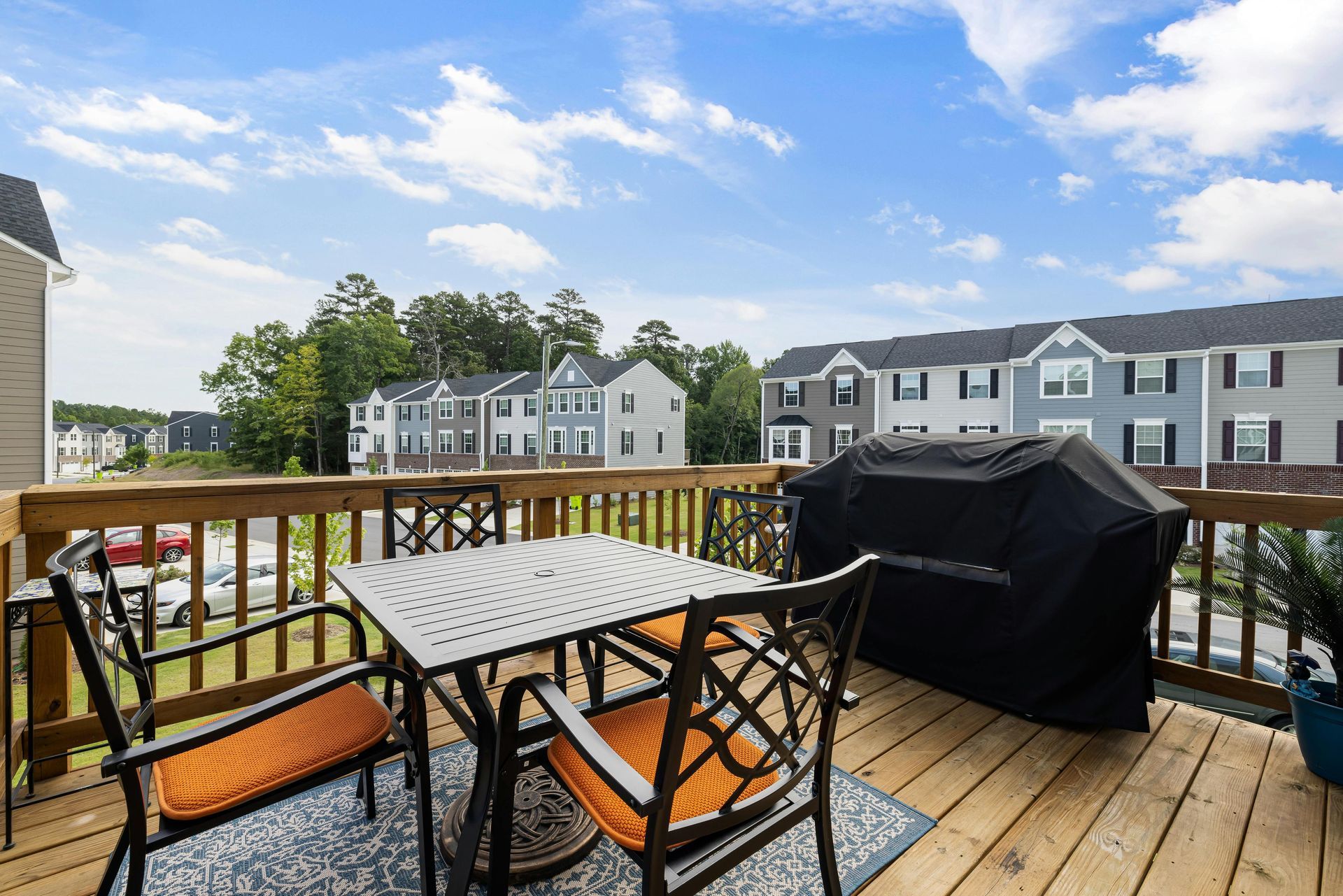
Existing decks that show rot in support posts, sagging joists, or rusted fasteners no longer provide safe outdoor space, and porches with deteriorated flooring or unstable railings require reconstruction before they fail completely. Deck and porch construction from Worth It Construction replaces compromised structures and builds new outdoor areas designed to handle freeze-thaw cycles and moisture exposure common in Hazleton. Proper construction starts with footings placed below the frost line to prevent heaving, and continues with framing that uses pressure-treated or naturally rot-resistant lumber in ground-contact applications.
Framing involves setting posts in concrete footings, attaching beams with through-bolts rather than nails, and spacing joists to support anticipated loads without excessive deflection. Decking boards are fastened with corrosion-resistant hardware and spaced to allow drainage and expansion, preventing water from pooling on the surface where it accelerates decay. Railings must meet code height requirements and withstand lateral loads without loosening, which requires proper post attachment to the framing structure.
Schedule a design consultation to review layout options and material selections for your outdoor project.
What Changes After Construction Completes
Deck and porch construction involves more than cutting lumber and driving fasteners—decisions about joist spacing, flashing details, and fastener types determine whether the structure remains stable and safe over decades of use. Ledger boards that attach decks to houses must be flashed to prevent water from entering the wall assembly, and joist hangers must be nailed according to manufacturer specifications to achieve rated load capacity. These details are not visible once construction is finished, but they determine whether the structure performs correctly under load and weather exposure.
You will notice that finished decks feel solid underfoot without bouncing or creaking, and railings remain rigid when lateral pressure is applied. Boards dry quickly after rain because spacing allows airflow beneath the surface, and fasteners do not stain the wood or back out over time. Porches integrate with existing rooflines and siding without gaps that allow water or pests to enter, and traffic flows naturally between indoor and outdoor spaces.
Material choices affect maintenance requirements—pressure-treated lumber costs less initially but requires periodic sealing, while composite decking eliminates sealing but comes with higher upfront costs and specific fastening requirements. Design considerations include sun exposure, prevailing wind direction, and how the structure connects to existing doors and pathways. Permits are required for most deck and porch projects, and inspections verify that footings, framing, and railings meet code before final approval.
Homeowners considering deck or porch construction often ask about design limitations, material performance, and construction timing.
Questions Before Starting Your Project
What size footings are required for deck construction?
Footing dimensions depend on soil bearing capacity and post loads, but they must extend below the frost line to prevent heaving during freeze-thaw cycles, which in this region typically means footings at least 36 inches deep.
How does winter weather affect deck materials?
Freeze-thaw cycles cause moisture trapped in wood to expand and contract, which is why pressure-treated lumber and composite materials designed for ground contact perform better than untreated wood in structural applications exposed to snow and ice.
When should an existing deck be replaced instead of repaired?
Decks with rotted framing members, unstable ledger attachments, or posts that have deteriorated below grade typically require replacement because the structural integrity cannot be restored through surface repairs alone.
What railing height is required by code?
Residential deck railings must be at least 36 inches high measured from the deck surface, with balusters spaced so that a four-inch sphere cannot pass through, requirements that ensure safety while allowing design flexibility.
How long does construction take?
Deck projects typically require one to two weeks depending on size and complexity, while covered porches with integrated rooflines extend the timeline due to additional framing and flashing work required to weatherproof the connection to the house.
Worth It Construction builds decks and porches with framing and fastening details that meet structural requirements and weather exposure conditions in Hazleton. Set up a consultation to discuss your outdoor living goals and receive a project plan tailored to your property layout.